







Purchase Process

When buying property in Spain as a foreigner, it is crucial to understand exactly what the Spanish notary (notario) does — and what they do not do. Many international buyers assume the notary protects them...

Buying a home in Spain continues to attract thousands of retirees, expats, and international investors every year. The country’s Mediterranean lifestyle, affordable cost of living compared to much of Europe, and stable real estate market make it a...

Buying in Spain starts with one crucial choice: real estate agent (seller’s agent) vs property hunter (also called a buyer’s agent / property finder). A seller’s agent is hired—and typically paid—by the seller to market a specific property and optimize...

Buying property in Spain is generally cheaper than in the U.S. On a price-per-area basis, Spain averages ~€2,000–2,500/m²; U.S. metros commonly run ~$200–$350/ft² (the national median sale price is ~$410k, so units aren’t directly comparable). Closing...

The Plusvalía Municipal (officially known as IIVTNU) is a local tax in Spain applied when urban property is transferred through sale, inheritance, or donation. It is based on the increase in the value of the land (not the building) during the period...

Selling property in Spain triggers two capital gains taxes: the national CGT (IRPF for residents, IRNR for non-residents) and the municipal Plusvalía tax. The national tax is based on the difference between purchase and sale price, with rates from 19...
The IRNR (Non-Resident Income Tax) applies to anyone who owns property in Spain but is not a tax resident. It must be paid annually — even if the property is not rented out. For non-rented homes, tax is calculated on a deemed income based on the...
The IBI (Impuesto sobre Bienes Inmuebles) is an annual municipal property tax in Spain, based on the cadastral value — not the market price. All property owners, residents and non-residents alike, must pay it. Rates typically range from 0.4% to 1.1%...
Tax differences between Spain’s regions can significantly impact your total purchase cost. For example, Madrid applies a reduced 6% ITP on resale properties and 0.75% AJD on new builds, making it one of the most affordable regions for buyers. In...

Many foreign buyers are surprised to learn that the purchase price is only part of the story when buying real estate in Spain. Depending on the region and type of property, additional taxes and fees can add 11% to 15% to your total cost. Resale homes...
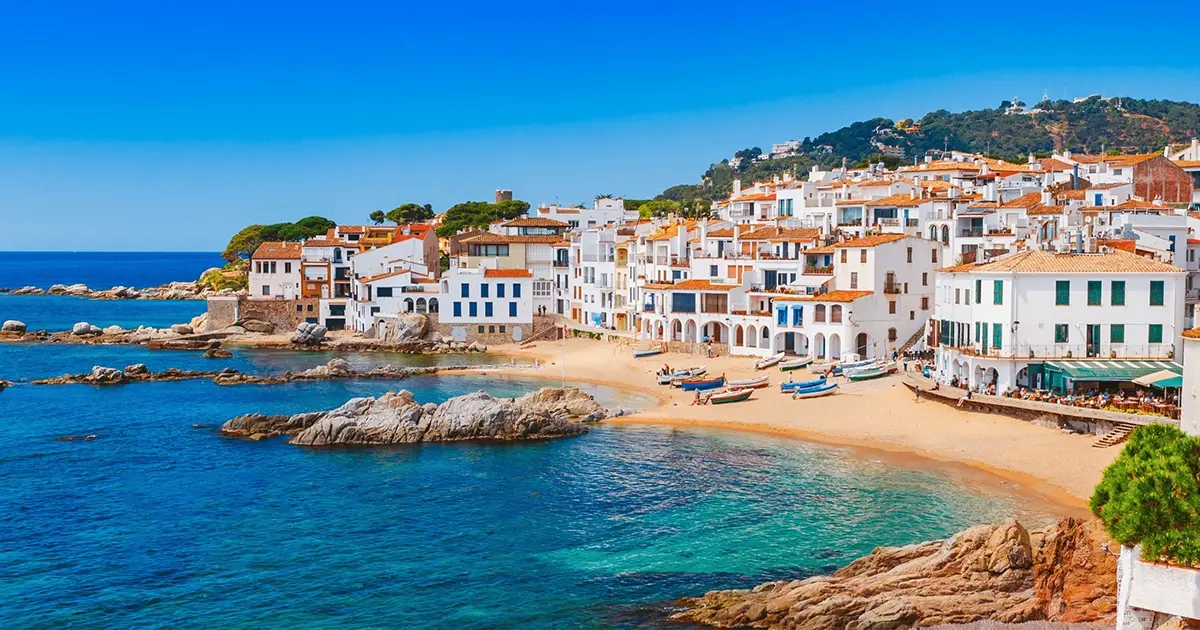
Buying property in Spain in 2025 remains a smart move for foreign buyers. Despite global uncertainty, demand is high, supply is tight, and prices are rising—especially in sought-after areas like Costa del Sol, Madrid, Valencia, and Alicante. Foreigners...

Spain has long been a top destination for foreign property buyers. Its sunny weather, vibrant culture, and affordable living costs make it an attractive option for second homes, investment properties, or permanent relocation. For non-residents...

Buying a home in Spain starts with a choice between four paths: go solo, hire legal counsel only (an independent lawyer), work with a real estate agent (seller’s agent/listing agent), or retain a property hunter (buyer’s agent/property finder). Each...
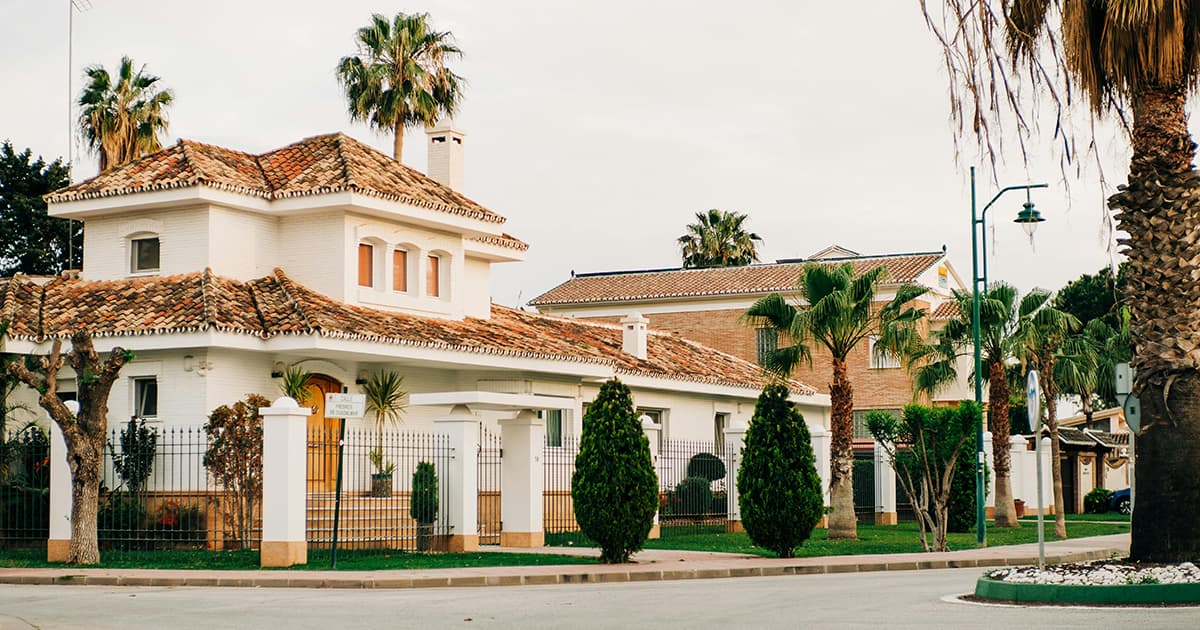
Buying property in Spain is a dream for many. The sunny climate, beautiful landscapes, and rich culture make it an attractive destination for both holiday homes and permanent residences. However, the process can be fraught with pitfalls that could...
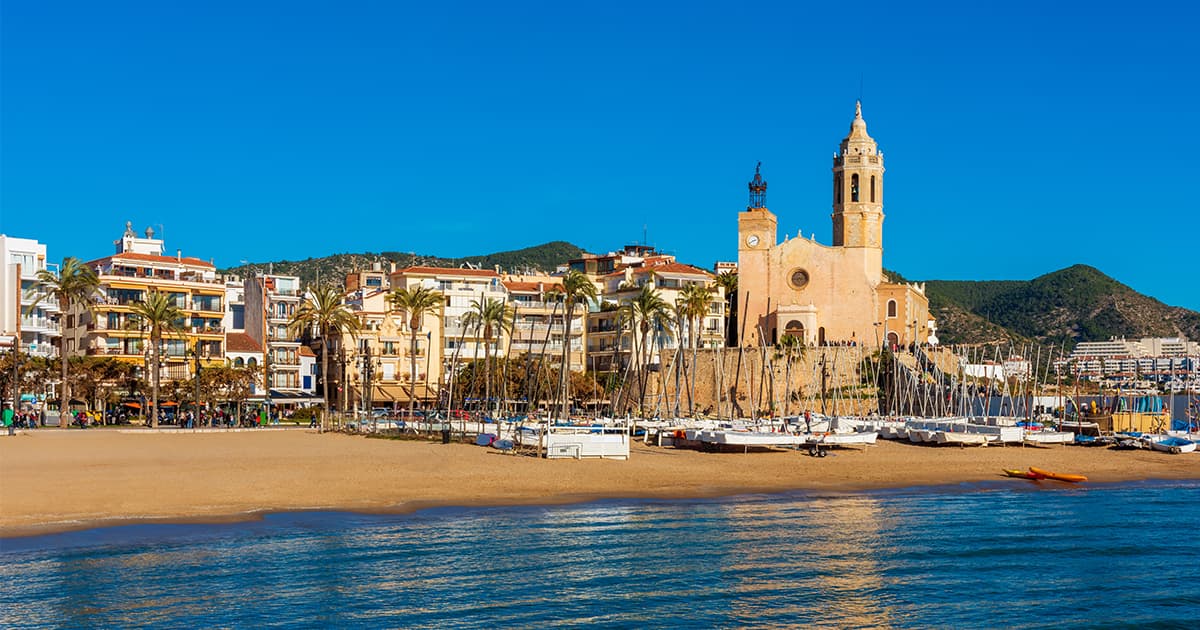
Are you thinking of investing in property in the land of Flamenco? Are you wondering whether you should make a purchase now or in the future? People have different understandings of market timing. The Spanish real estate agent you know might advise...
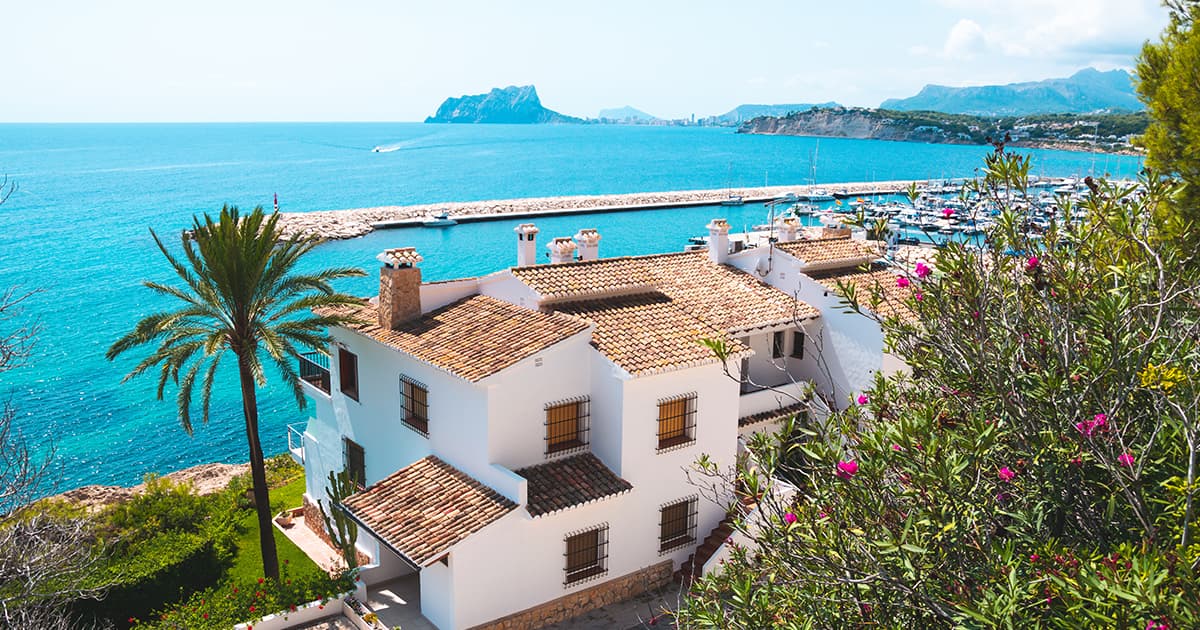
Spain, with its beautiful landscapes, vibrant culture, and pleasant climate, is a dream destination for many. Whether you're looking for a vacation home, a retirement haven, or a lucrative investment, Spain offers a plethora of opportunities. But can...