Spanish Brands 2025: Influence and Expat Impact
Last update: November 27, 2025
Reading time: 16.9 min
No Time to Read It All? Here’s the Quick Summary:
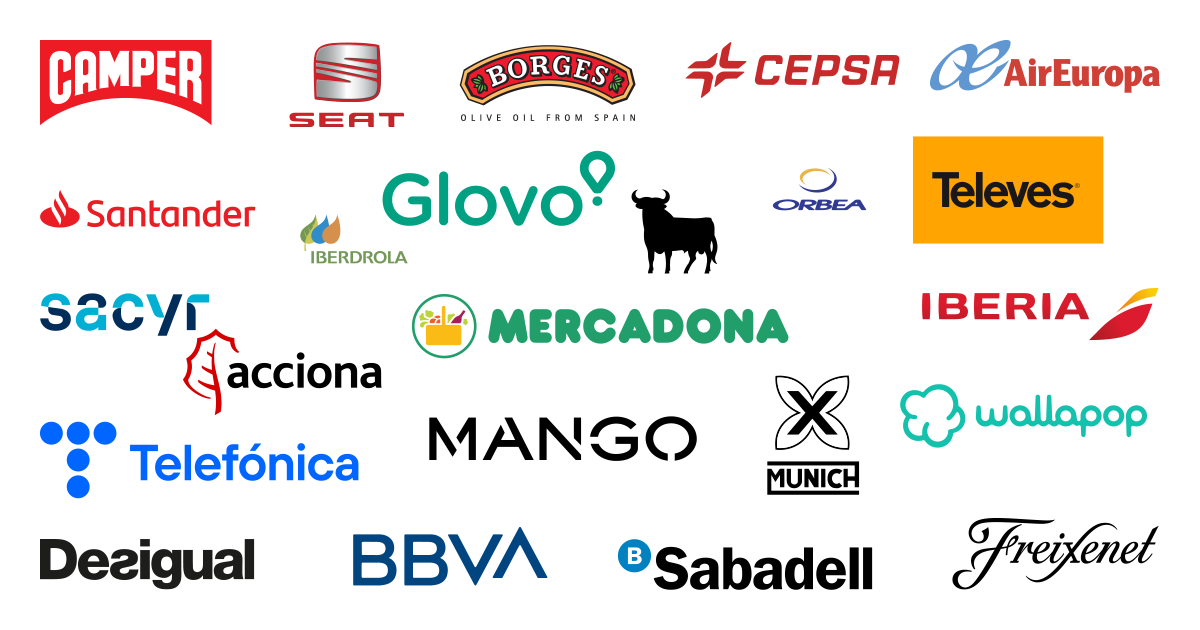
Spanish brands in 2025 go far beyond fashion and food—they shape the economy, lifestyle, and even the real estate market. Global leaders like Zara, Mango, and Loewe export Spanish culture worldwide, while Mercadona and Freixenet influence daily life through food and retail. Tech players such as Telefónica, Glovo, and Cabify position Spain as a European innovation hub, attracting digital nomads and young professionals. Financial giants like Santander, BBVA, and CaixaBank provide essential services for expats, while tourism brands such as Meliá and Iberia drive demand for holiday rentals and secondary homes. Meanwhile, Iberdrola, ACS, and Ferrovial are shaping sustainable cities, and lifestyle brands like Puig, Isdin, and Orbea reinforce Spain’s focus on well-being.
For expats and investors, the presence of these brands highlights the cities with the strongest opportunities: Madrid, Barcelona, Valencia, and Bilbao. These hubs attract talent, create jobs, and push up housing demand—making them prime markets for relocation or property investment.
Spain in 2025: An Economic and Cultural Powerhouse
Spain is far more than sun, beaches, and Mediterranean lifestyle. In 2025, the country stands out as both an economic and cultural powerhouse, home to brands that have achieved global recognition. From fashion to technology, food, energy, banking, and hospitality, Spanish companies are shaping industries worldwide while also influencing everyday life at home.
For expats settling in Spain, these brands are more than names—they are part of daily routines, sources of employment, and key drivers of the housing market in major cities. Understanding who these players are provides valuable insight into how Spain functions as a modern economy and why certain regions are especially attractive to live and invest in.
In this guide, we take a closer look at the most influential Spanish brands in 2025. Sector by sector, we’ll explore their impact not only on the global stage but also on Spanish society, the expat lifestyle, and the country’s dynamic real estate market.
Leading Spanish Brands in 2025: An Economic Panorama
Global value and rankings
Spain is home to some of Europe’s most powerful companies, many of which feature in the Interbrand and Brand Finance rankings of the world’s most valuable brands. Groups like Inditex (Zara, Massimo Dutti, Pull&Bear), Santander, Iberdrola, and Telefónica are not just national champions—they are global players that shape markets far beyond Spain’s borders. Their brand value is measured in billions of euros, reflecting their innovation, international presence, and strong consumer trust.
International reach
These companies symbolize Spain’s transformation into a modern, outward-looking economy. With operations in dozens of countries, they employ hundreds of thousands of people worldwide, create export flows, and reinforce Spain’s reputation as a hub for talent and investment.
Headquarters and real estate hotspots
The impact of these brands can also be seen in Spain’s major cities. Madrid hosts the headquarters of Santander, BBVA, Telefónica, and Iberia, making it the country’s financial and corporate capital. Barcelona is a hub for fashion, banking, and start-ups, with Mango, CaixaBank, and Desigual based there. Valencia, home to Mercadona, and Bilbao, the base of Iberdrola, are also thriving business centers.
Where large corporations settle, jobs follow—and so does demand for housing. For expats, this means that the same cities where top Spanish brands are headquartered are also the most dynamic real estate markets. Madrid, Barcelona, Valencia, and Bilbao all offer opportunities for professionals seeking relocation as well as for investors looking for high rental yields and long-term property value growth.

Fashion and Lifestyle: Zara, Mango, Loewe…
Spanish fashion as a cultural export
Fashion is one of Spain’s strongest global calling cards. Brands such as Zara (Inditex Group), Mango, Loewe, Desigual, and Camper have become synonymous with creativity, accessibility, and innovation. They don’t just sell clothes and accessories—they export the Spanish lifestyle, blending Mediterranean flair with global trends.
Global household names
Zara revolutionized fast fashion with affordable, trend-driven collections available worldwide. Mango has positioned itself as a stylish yet eco-conscious brand present in over 100 countries. Loewe, founded in Madrid in 1846 and now part of the LVMH group, remains one of the most prestigious names in luxury leather goods. Together, these companies highlight Spain’s ability to balance mass-market reach with craftsmanship and exclusivity.
Madrid and Barcelona: epicenters of creativity
The success of these fashion giants has helped shape the economic and cultural identity of Madrid and Barcelona. Barcelona, home to Mango and Desigual, has developed into a creative hub attracting designers, start-ups, and young expats. Madrid, with Loewe and Inditex’s strong presence, is equally important for high-end retail and luxury shopping.
For expats, these brands do more than provide familiar shopping options. Their presence fuels local employment, international talent mobility, and real estate demand. Creative districts in Barcelona and Madrid, popular among young professionals, are also among the most sought-after rental markets—making them attractive both to newcomers settling in Spain and to property investors looking for long-term returns.
Food and Retail: Mercadona, Torres, Freixenet…
Everyday brands that expats quickly recognize
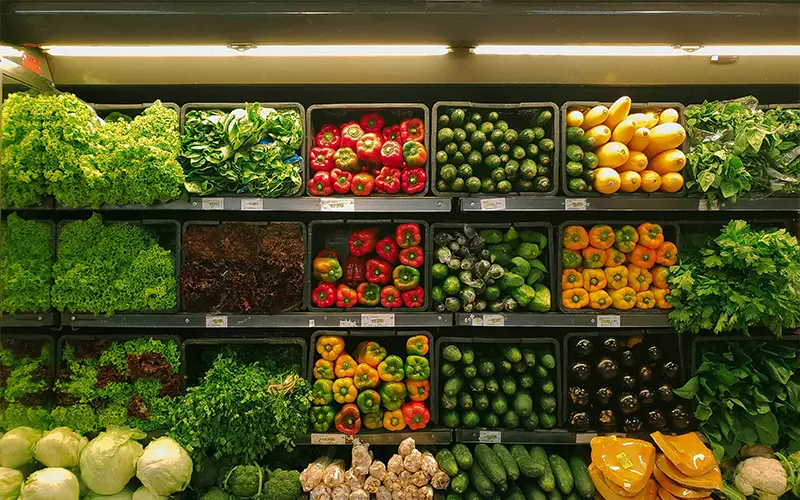
Food is central to Spanish culture, and some brands have become household names both locally and internationally. Mercadona, Spain’s leading supermarket chain, along with Torres (wine) and Freixenet (cava), are more than just companies—they represent familiarity and quality for locals and expats alike. For newcomers, shopping at Mercadona or enjoying a glass of Freixenet is often a first step into integrating with Spanish lifestyle.
Mercadona: the supermarket giant
Founded in Valencia, Mercadona operates more than 1,600 stores across Spain. Known for competitive pricing, strong private labels, and a focus on fresh produce, it is the go-to supermarket for millions of residents. Its headquarters in Valencia highlight the city’s role as a rising economic hub, where growing consumption also drives demand for housing among workers and expats moving to the region.
Torres and Freixenet: Spain’s winemaking heritage
Spain’s international reputation for wine and cava is anchored by brands like Torres, one of the country’s largest wine exporters, and Freixenet, the world’s top cava producer. Based in Catalonia, these companies not only embody tradition but also attract global recognition, reinforcing the prestige of Spanish gastronomy worldwide.
Regional impact on lifestyle and real estate
The strength of Spain’s food and beverage sector contributes directly to regional attractiveness. Valencia, home to Mercadona, has become one of the most appealing cities for expats due to its balance of affordability and quality of life. Catalonia, with its world-famous wine and cava houses, continues to draw tourists, investors, and international residents alike. Even Andalusia, with its olive oil producers and growing agro-food industry, benefits from this trend. These regions combine culinary excellence with strong real estate potential, offering affordable housing, lifestyle appeal, and promising long-term investment opportunities.

Technology and Start-ups: Telefónica, Glovo, Cabify, Wallapop
Spain as a European tech hub
In recent years, Spain has positioned itself as one of Europe’s rising technology hubs. Global telecom leader Telefónica and a wave of successful start-ups such as Glovo (food delivery), Cabify (ride-hailing), and Wallapop (second-hand marketplace) showcase the country’s entrepreneurial energy. Madrid and Barcelona, in particular, stand out as innovation centers that attract both investors and international talent.
Telefónica: a global telecommunications leader
Headquartered in Madrid, Telefónica remains one of the world’s largest telecom groups, with operations spanning Europe and Latin America. Its investments in 5G, fiber optics, and digital services position Spain at the forefront of technological transformation. The company’s scale provides thousands of jobs in Madrid, boosting both the economy and the housing market for expats working in telecoms and IT.
Barcelona start-ups driving innovation
Barcelona has earned the nickname “the Silicon Valley of Southern Europe.” Start-ups like Glovo, Cabify, and Wallapop were born here and have grown into internationally recognized companies. Their success has turned the city into a magnet for young professionals, entrepreneurs, and digital nomads seeking flexible work opportunities and a vibrant lifestyle.
Impact on jobs and the rental market
The growth of Spain’s tech ecosystem has significant consequences for the housing market. Cities such as Madrid and Barcelona face high demand for modern apartments, co-living spaces, and short-term rentals, driven by foreign employees, start-up founders, and remote workers. For real estate investors, these markets offer both high rental yields and long-term appreciation, fueled by steady inflows of international talent.

Banking and Finance: Santander, BBVA, CaixaBank…
Essential institutions for expats
For anyone relocating to Spain, opening a bank account is one of the first steps. Spanish banks such as Santander, BBVA, and CaixaBank are not only national leaders but also internationally recognized financial institutions. They provide essential services for expats, including local bank accounts, international transfers, mortgages, and wealth management solutions.
Santander: a global giant
Headquartered in Madrid, Banco Santander is one of the largest banks in the world, with strong operations in Europe and Latin America. For expats, Santander offers international account options and competitive mortgage products that make settling in Spain easier. Its international reach is particularly reassuring for foreigners familiar with the brand from their home countries.
BBVA and CaixaBank: innovation and regional strength
BBVA, also based in Madrid, is known for its commitment to digital banking, offering one of the most user-friendly online platforms in Spain—an advantage for foreign residents managing finances across borders. CaixaBank, headquartered in Barcelona, dominates the Catalan market and has expanded nationwide, providing strong regional support and investment services.
Financial hubs and real estate demand
The presence of major banking headquarters reinforces the importance of Madrid and Barcelona as Spain’s economic centers. These cities attract thousands of employees, including highly skilled international workers, which directly impacts the demand for housing. Areas near financial districts in Madrid or central Barcelona often see higher rental prices and strong investment potential, reflecting the link between Spain’s financial sector and its property market.

Tourism and Hospitality: Meliá, Barceló, Iberia…
Global leaders in travel and accommodation
Tourism remains one of Spain’s strongest economic pillars, accounting for over 12% of national GDP. Brands such as Meliá Hotels International, Barceló Hotels & Resorts, and airlines like Iberia and Air Europa are not only leaders in Spain but also major players on the global stage. Their success highlights Spain’s reputation as a top travel destination and ensures a steady inflow of millions of international visitors each year.
Meliá and Barceló: hotel giants with worldwide reach
Meliá, headquartered in Mallorca, manages more than 350 hotels in 35 countries, blending Spanish hospitality with international standards. Barceló, based in Palma de Mallorca, operates nearly 300 hotels and is equally known for its strong presence in the Caribbean and Europe. These companies export the Spanish approach to hospitality while also investing heavily in Spain’s coastal and urban markets.
Iberia: connecting Spain to the world
As Spain’s flagship airline, Iberia plays a central role in connecting Madrid with major cities across Europe, the Americas, and Asia. Its growth, alongside low-cost carriers, has helped Spain become one of the most accessible countries in Europe, supporting both tourism and long-term relocation.
Impact on real estate and investment opportunities
The strength of Spain’s tourism sector has a direct influence on secondary housing markets. Coastal areas in Andalusia, the Balearic Islands, and the Canary Islands see strong demand for holiday homes and short-term rentals, driven by both tourists and investors. Expats looking for lifestyle properties often choose these regions, while investors benefit from Spain’s booming vacation rental market and long-term appreciation potential in popular resort areas.
Energy and Construction: Iberdrola, ACS, Ferrovial…
Key players in Spain’s energy transition
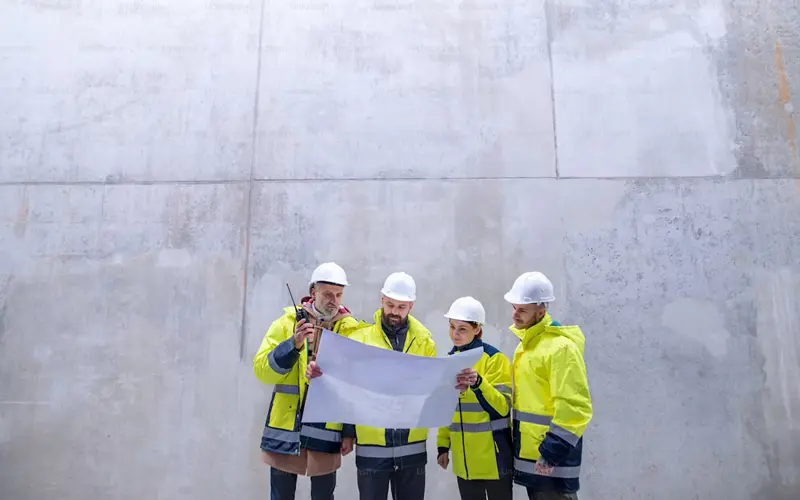
Spain is at the forefront of Europe’s green transition, and companies like Iberdrola, ACS, and Ferrovial are central to this transformation. Iberdrola is one of the world’s leading renewable energy producers, investing heavily in wind and solar projects both in Spain and abroad. ACS and Ferrovial rank among the largest construction and infrastructure groups globally, responsible for highways, airports, and large-scale urban developments.
Shaping sustainable cities
The projects led by these corporations directly influence Spain’s urban landscape. From renewable energy grids to sustainable housing and public infrastructure, their investments make cities like Bilbao, Madrid, and Barcelona more resilient and attractive for long-term living. Expats settling in Spain benefit from improved transport networks, reliable utilities, and modernized neighborhoods.
Real estate impact: the rise of green living
As sustainability becomes a priority, demand is growing for eco-friendly housing, energy-efficient apartments, and properties near improved infrastructure hubs. Investors are paying close attention to urban areas where green projects are being developed, as these neighborhoods often see faster appreciation in property values and higher demand among young professionals and international residents.
Opportunities for expats and investors
For expats, the presence of Iberdrola, ACS, and Ferrovial means more than reliable services—it creates employment opportunities in engineering, construction, and renewable energy. For investors, it signals long-term growth in sustainable real estate markets, where housing demand is fueled by both economic development and Spain’s commitment to clean energy.

Cosmetics, Sports and Pharma: Puig, Isdin, Joma, Orbea…
Spanish lifestyle exported worldwide
Spain is not only known for fashion and food—it also shines in industries that enhance well-being, health, and leisure. Companies like Puig (perfumes and cosmetics), Isdin (dermopharmacy), Joma (sportswear), and Orbea (cycling) embody the Spanish lifestyle and play a major role in exporting it worldwide.
Puig: a global fragrance powerhouse
Headquartered in Barcelona, Puig owns or manages iconic brands such as Carolina Herrera, Paco Rabanne, and Jean Paul Gaultier. Its leadership in the fragrance and cosmetics industry reinforces Barcelona’s image as a creative and design-driven city, attracting international talent and professionals in the luxury sector.
Isdin: innovation in health and skincare
Isdin, also based in Barcelona, is a leader in dermatology and sun protection products. Its success is closely tied to Spain’s Mediterranean climate, where skincare and health protection are highly valued. For expats, access to trusted health brands like Isdin offers reassurance about quality of life and healthcare standards.
Sports and leisure: Joma and Orbea
Joma, Spain’s top sportswear company, outfits athletes and teams worldwide, while Orbea, based in the Basque Country, is one of Europe’s leading bicycle manufacturers. Both brands highlight Spain’s connection to outdoor sports and healthy living—a lifestyle factor that makes the country especially attractive to expats.
Quality of life and real estate appeal
The strength of Spain’s cosmetics, health, and sports brands underscores a national emphasis on well-being, fitness, and leisure. For expats, this translates into a high quality of life, supported by world-class healthcare, vibrant sporting culture, and outdoor living. From Barcelona’s creative districts to the Basque Country’s cycling-friendly environment, these lifestyle factors also drive housing demand in regions associated with wellness and innovation.
Emerging Spanish Start-ups in 2025
Innovation in mobility, housing, and consumption
Spain’s start-up ecosystem continues to expand rapidly, with new companies reshaping how people move, live, and consume. Brands like Glovo (food and package delivery), Badi (housing rental platform), and Cooltra (urban mobility with shared scooters) have become household names for younger generations, especially in large cities such as Barcelona and Madrid.
Glovo: redefining convenience
Founded in Barcelona, Glovo has grown into one of Europe’s leading delivery platforms, connecting users with restaurants, supermarkets, and couriers. For expats, it represents an easy way to adapt quickly to life in Spain—whether ordering groceries, meals, or essentials at the tap of a button.
Badi: transforming the housing market
Badi offers a digital solution to one of the biggest challenges expats face: finding accommodation. By matching landlords with tenants through a user-friendly app, it reduces barriers for international newcomers and supports Spain’s growing demand for flexible, short- and mid-term housing. This trend directly impacts the rental market, encouraging investment in properties that cater to young professionals and digital nomads.
Cooltra: urban mobility for a new generation
As cities push for more sustainable transportation, Cooltra has become a leader in shared electric scooter rentals across Spain and Europe. Its success reflects shifting lifestyles in Spanish urban centers, where car ownership is less common and expats often look for affordable, eco-friendly ways to commute.
Opportunities for expats and investors
These emerging start-ups highlight Spain’s role as a laboratory for innovation. For expats, they improve daily life and make integration easier. For investors, they create new demand in sectors like rental housing, co-living, and sustainable urban infrastructure—all of which translate into fresh opportunities in Spain’s real estate market.
Brands and Real Estate: Where Should Expats Invest?
Headquarters and economic gravity centers
The presence of major corporate headquarters has a direct influence on Spain’s real estate market. Cities such as Madrid (Santander, Telefónica, Iberia), Barcelona (CaixaBank, Puig, Glovo, Mango), Bilbao (Iberdrola), and Valencia (Mercadona) stand out as economic powerhouses. These hubs attract thousands of professionals every year—both Spanish and international—which drives steady demand for housing.
Impact on housing demand and prices
When global brands establish or expand their headquarters, they create jobs and attract foreign talent. This concentration of high-skilled workers, expats, and digital nomads increases demand for central apartments, co-living spaces, and modern rental housing. As a result, cities like Madrid and Barcelona often record higher rental yields and faster property appreciation, especially in districts near business centers and start-up hubs.
Investment opportunities for expats
For foreign investors, following the footprint of Spain’s top companies can be a smart strategy.
- Madrid offers stability and high rental demand thanks to its role as the financial and political capital.
- Barcelona combines innovation, tourism, and lifestyle appeal, making it attractive for both long-term rentals and short-term holiday lets.
- Valencia provides more affordable entry prices while benefiting from Mercadona’s influence and a growing expat community.
- Bilbao, powered by Iberdrola and cultural regeneration, is increasingly seen as a sustainable investment option with long-term growth potential.
Linking brands with property choices
Ultimately, the strength of Spanish brands doesn’t just shape the economy—it also determines where expats want to live, and where investors should look for opportunities. By targeting cities with strong corporate ecosystems, expats can secure housing in dynamic markets, while investors benefit from stable rental demand and long-term capital growth.
Spanish Brands as Everyday Influencers
Spanish brands are far more than economic symbols—they actively shape daily life, employment opportunities, and the property market. From global giants like Santander, Zara, and Iberdrola to innovative start-ups such as Glovo and Badi, these companies define the modern Spanish lifestyle while fueling demand for housing in the cities where they thrive.
For expats, understanding the role of these brands provides valuable insight into where to live, work, and invest. For property investors, following the expansion of Spain’s strongest sectors often highlights the most dynamic and profitable real estate markets.
Looking to relocate or invest in Spain?
Our property hunters are here to guide you in finding the ideal home or investment property in the cities powered by Spain’s leading economic players.